Long-term partnerships with forest-edge communities, traditional leadership and municipal stakeholders.
Land Claims
Engagement and co-management
A significant portion of SAFCOL's plantations is affected by land claims - approximately 57%. In response, we have adopted a proactive community engagement model that integrates land claim beneficiaries into our value chain, supporting sustainable partnerships while ensuring continued economic activity and community benefit.
SAFCOL has established a dedicated Land Risk Management Division responsible for facilitating the resolution of all land claims affecting SAFCOL-operated land. The Division works in strategic collaboration with the Department of Land Reform and Rural Development (DLRRD), guided by a mutually beneficial settlement model.
Settlement priorities
Research and verification of land claims
Gazetting of all valid claims
Alignment of settlement outcomes with sustainable forestry operations
We actively foster strong, transparent relationships with adjacent communities and land claimants. Our goal is to remain the partner of choice post-settlement, ensuring inclusive growth, shared value creation, and long-term sustainability for all parties involved.
Socio-Economic Development
Approximately 25 000 lives supported
Most of our operations are located in rural areas of South Africa, many of which remain underdeveloped. As a state-owned company, SAFCOL is required to operate as a commercially viable business while advancing the government's developmental agenda.
Through our activities we support approximately 25 000 lives by creating employment, enabling small business development, and implementing social upliftment initiatives - including the construction of schools, clinics, early childhood development centres, and other community infrastructure that contributes to improved quality of life.
We have established long-standing, trusted relationships with communities surrounding our operations through social compacts signed with adjacent and land claims communities. These partnerships enable collaborative planning and a joint decision-making, ensuring that community priorities or interventions are identified, addressed and executed effectively.
Social Infrastructure
Timber-framed structures across three provinces
SAFCOL has invested significantly in the development of social infrastructure across the rural areas of Mpumalanga (MP), Limpopo (LP), and KwaZulu-Natal (KZN) provinces. In line with its commitment to sustainable and innovative construction approaches, social infrastructure projects have been predominantly delivered using timber-frame construction, providing an alternative to conventional brick-and-mortar building methods.
Beketelani Primary Classrooms (MP)
Bhekimfundo Primary (MP)
Ekucathuzeni Primary - dining hall (MP)
Khuphukani ECD Centre (MP)
Sinethemba ECD Centre (MP)
Buhlebuyeza Primary Classrooms (MP)
Ratshitanga Primary - admin block (LP)
Muledani Life Care Centre (LP)
Leroro Disability Centre (MP)
Thembisa Stimulation Centre (MP)
Mantjolo Arts & Crafts Market (MP)
Makhambane Multipurpose Hall (KZN)
Mapheleni Multipurpose (KZN)
Matsila Arts and Crafts Centre (LP)
Oncweleni Community Hall (LP)
Prince Somcuba Primary School (KZN)
Mooiplaas ECD Centre (KZN)
Sifisimpumelelo ECD Centre (KZN)
eMjindini ECD Centre (MP)
eDwaleni Primary Classrooms (MP)
Msogwaba Disability Centre (MP)
Standford ECD Centre (MP)
Rea Shuma ECD Centre (LP)
Tsolobolo ECD Centre (LP)
Mamahlola ECD Centre (LP)
Shanzha Skills Development Centre (LP)
A few conventional brick-and-mortar structures have also been constructed as part of SAFCOL's infrastructure development drive, including Khayelihle ECD Centre (MP), Muz'omuhle Multi-purpose Centre (MP), Radzilani Community Hall (LP), Tshitavhadulu Community Hall (LP), Maguada Hall (LP), Glory Hill Clinic (MP), Bushbuckridge Multipurpose Centre (MP), Sukumani Youth Advisory Centre (MP), Umlambo Combined School classrooms and Ithole Primary School classrooms.
Agroforestry
Flagship community livelihood projects
Agroforestry is one of SAFCOL's flagship sustainability programmes, designed to improve livelihoods for adjacent and land-claimant communities while promoting sustainable land use within the forestry landscape. Communities are supported to participate in alternative land-use practices that strengthen food security, household income and local enterprise development, while protecting natural resources.
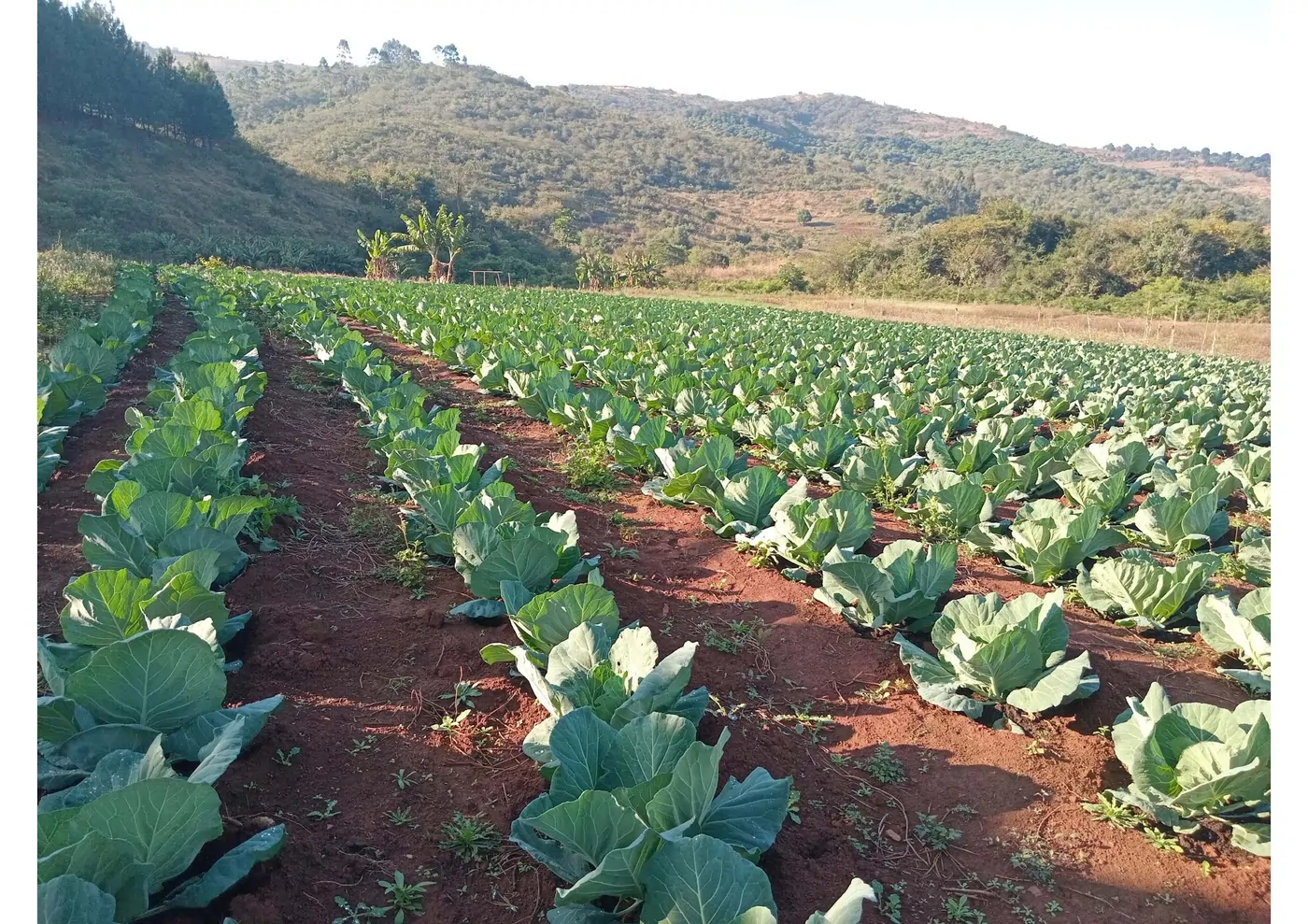
Cabbage rows on unplanted SAFCOL land - agroforestry supporting food security.
grass
Mushroom Harvesting Programme
Community members are granted controlled access to SAFCOL forests to harvest indigenous mushrooms, sold to processing companies. Provides seasonal income while encouraging sustainable use of forest ecosystems.
agriculture
JDM Keet Agroforestry
At the JDM Keet plantation, temporarily unplanted land is allocated to local communities for cultivating jugo beans and groundnuts - supporting food production, skills development and small-scale commercial farming within forestry operations.
restaurant
Subsistence Farming & School Nutrition
SAFCOL supports subsistence and school-based vegetable gardens, particularly in rural communities. These initiatives enhance school nutrition programmes, improve household food security and promote environmentally responsible farming practices.
hive
Beekeeping in Plantations
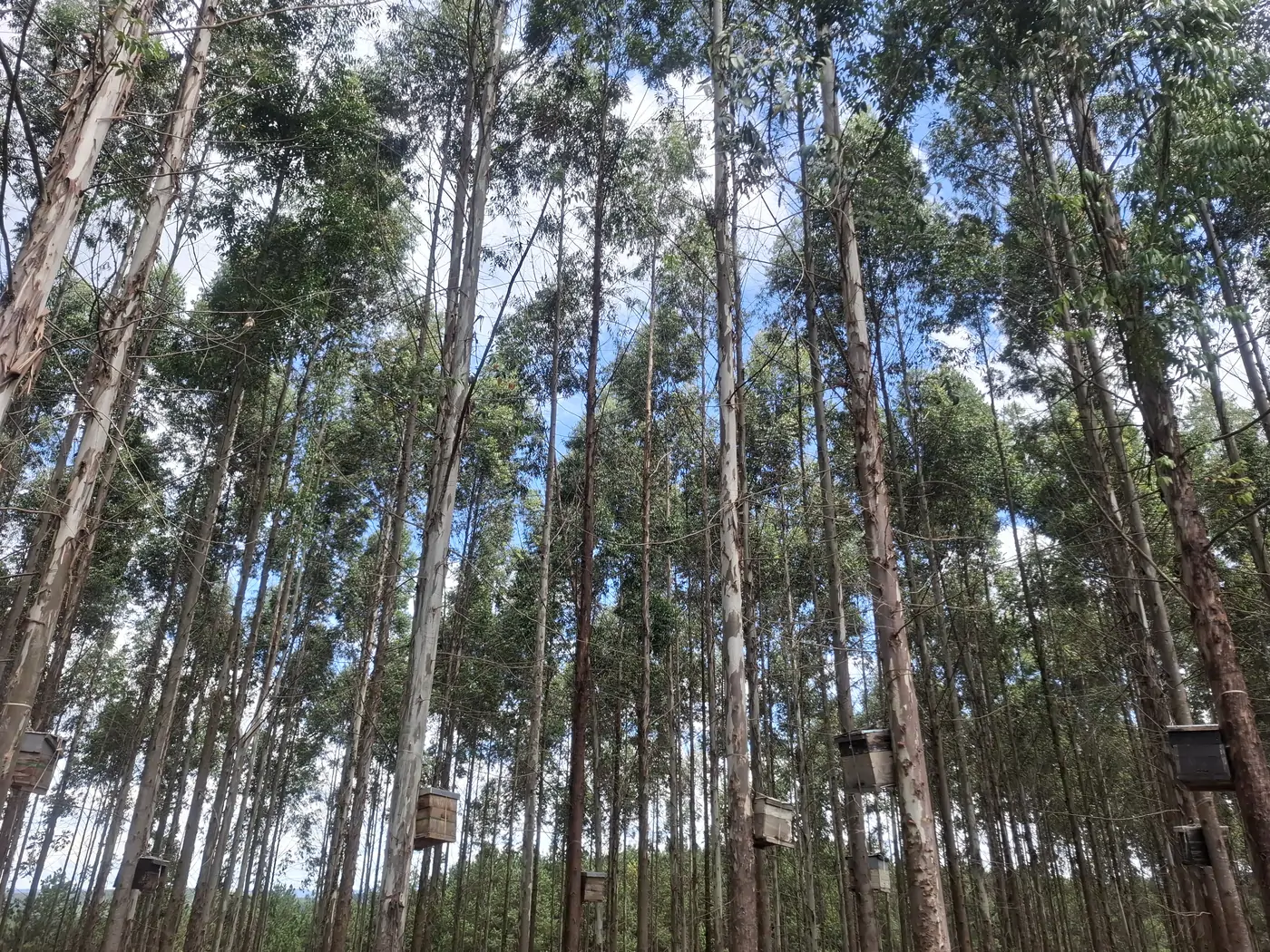
Small-scale beekeepers are permitted to establish beehives within SAFCOL plantations. Supports honey-harvesting enterprises, enhances biodiversity, and creates sustainable income opportunities linked to forestry.
Beehive boxes suspended in a SAFCOL eucalyptus stand - land shared with community beekeepers.
Alternative land-use: cabbage cultivation on unplanted SAFCOL land.
These flagship agroforestry initiatives reflect SAFCOL's commitment to sustainable land stewardship, community upliftment, and a Just Transition. By diversifying income streams, strengthening local food systems and building resilience in forestry-dependent communities, SAFCOL ensures that land delivers shared value for present and future generations.
Enterprise & Supplier Development
Catalyst for rural economic development
Enterprise and Supplier Development (ESD) supports aspiring entrepreneurs in formalising their business ideas into viable businesses. The establishment of micro enterprises plays an important role in addressing socio-economic challenges for people living in rural communities. Micro and small enterprises are the driving force in creating sustainable employment, income distribution, competitiveness, niche markets and enhancing productivity.
storefront
Access to Markets
Suppliers on our Supplier Development Programme may qualify for specific goals and procurement targets for developmental purposes - restricted to land claimants and local communities within the SAFCOL operational footprint.
account_balance
Facilitation of Access to Finance and Business Support
SAFCOL facilitates access to funding for suppliers participating in the Programme through its relationships with government agencies, development finance institutions, and strategic funding partners. While SAFCOL does not provide wholesale in-house project funding, it assists qualifying suppliers in accessing external funding opportunities, including contract-based funding, business start-up grants, and growth financing where available.
In addition to facilitating access to finance, SAFCOL provides non-financial support to eligible enterprises through access to basic start-up equipment, tools, personal protective equipment (PPE), and business development interventions aimed at enhancing operational capacity, compliance, and sustainability. This support is intended to strengthen supplier capabilities and improve their participation in SAFCOL's value chain.
school
Non-Financial Support
MSMEs receive a package of services ranging from technical mentorship to financial management and basic business support. Mainly internal; external services considered for certain projects.